Dog Itchy Ears: Causes, Relief & When to Worry (Vet Verified)

If you’ve noticed your dog shaking its head nonstop or repeatedly scratching at their ears, you’re not alone. Ear irritation is one of the most common complaints veterinarians see – and catching it early can prevent painful infections and chronic ear disease.
Why Does My Dog Have Itchy Ears?
Dog itchy ears are most commonly caused by allergies, ear infections, mites, or moisture buildup. If your dog is scratching, shaking their head, or has redness or odor in the ears, irritation is likely present. Mild cases may improve with safe cleaning and adequate products, but persistent symptoms require veterinary evaluation to be treated.
Key Takeaways
- Allergies are the #1 cause of recurring dog itchy ears.
- How frequently a dog is shaking the head is often the first sign to pay attention to.
- Untreated itching or pain can quickly progress to infection.
- Early action prevents chronic ear disease.
- Monitoring scratching and behavior changes helps detect problems sooner.
“Frequent head shaking or ear scratching is often the first sign of an underlying problem. Addressing it early and adequately can prevent painful, chronic ear disease.”
— Sara Leitão, DVM, Veterinarian at Maven Pet
Why Are My Dog’s Ears Itchy?

Several conditions can cause ear irritation. According to guidance from the American College of Veterinary Surgeons and Cornell University College of Veterinary Medicine, the most common causes include:
1. Allergies (Most Common)
Allergies — environmental or food-related — frequently trigger ear inflammation.
Common allergy triggers:
- Pollen
- Dust mites
- Mold
- Certain proteins (chicken, beef, dairy)
Dogs with allergies often have:
- Recurring ear irritation
- Itchy paws (constant licking)
- Red or inflamed skin
- Seasonal flare-ups
👉 Related: dog skin allergies
2. Ear Infections (Otitis Externa)
Bacterial or yeast overgrowth can develop when the ear canal becomes inflamed. According to the American Veterinary Medical Association, allergies often set the stage for infections by disrupting the ear’s natural defenses and by creating a warm environment.
3. Ear Mites
More common in puppies, ear mites cause intense itching and dark debris resembling coffee grounds.
4. Moisture Buildup
Dogs who swim frequently or have floppy ears trap moisture, creating a warm environment for yeast and bacteria. Moisture retention is a major risk factor for chronic ear issues.
“I got the Maven sensor for my 14-year-old Chihuahua mix with heart and trachea issues. It gave me back peace of mind – I can track her RRR, BPM, drinking, and activity anytime and know instantly if something’s wrong. Highly recommend!”

★★★★★
Chiara De Luca
Titti
Dog Allergies and Ear Infections: What’s the Connection?
Many owners treat ear infections repeatedly without addressing the root cause: allergies.
Here’s how they’re connected:
- Allergies trigger inflammation in the ear canal.
- The canal’s skin barrier becomes damaged.
- The swollen canal traps moisture and debris.
- Yeast and bacteria multiply.
- Infection develops.
This cycle explains why some dogs experience recurring itchy ears every few months.
If your dog’s ear problems are chronic or seasonal, allergies are highly likely. Managing the underlying allergy is key to breaking the infection cycle.
Signs an Itchy Ear Is Becoming an Infection
Early irritation can quickly progress. Watch for:
- Persistent head shaking
- Red or swollen ear canal
- Strong or sour odor
- Brown, yellow, or bloody discharge
- Pain when touching the ear
- Tilting head to one side
- Changes in mood or activity
If you notice discharge or pain, skip home remedies and contact your veterinarian.
How to Help a Dog With Itchy Ears Safely

If symptoms are mild (occasional scratching, no discharge or pain), you can try these safe first steps:
Step 1: Inspect the Ear
Look for:
- Redness
- Warm Ears
- Swelling
- Debris
- Abnormal Odor
If you see thick discharge or your dog reacts painfully, stop and call your vet.
Step 2: Gently Clean (If Appropriate)
- Use a veterinarian-approved ear cleaner.
- Never use hydrogen peroxide or alcohol.
- Do not insert cotton swabs into the canal.
Cleaning removes debris and moisture that fuel irritation.
Step 3: Address Possible Allergies
If itching is recurrent:
- Discuss possible treatments with your vet.
Step 4: Monitor Behavior Closely
Scratching often increases before visible redness appears. Tracking changes can help catch flare-ups early.
When Head Shaking Becomes Urgent
Occasional head shaking is normal. However, seek urgent care if your dog:
- Cries out while shaking their head
- Suddenly develops a head tilt
- Loses balance
- Shows rapid swelling of the ear flap (possible hematoma)
- Becomes lethargic
These symptoms may indicate an internal infection or injury requiring immediate veterinary treatment.
How Maven Helps Detect Early Ear Issues
One challenge with dog itchy ears is that scratching often increases before obvious redness or discharge appears.
The Maven pet health tracker monitors:
- Scratching frequency
- Activity levels
- Rest patterns
- Resting respiratory rate
Dogs experiencing early ear irritation may:
- Scratch more frequently
- Sleep restlessly due to discomfort
Maven establishes a personalized baseline and alerts owners when scratching or behavior patterns deviate. That means you may catch potential ear issues earlier — before they develop into full infections.
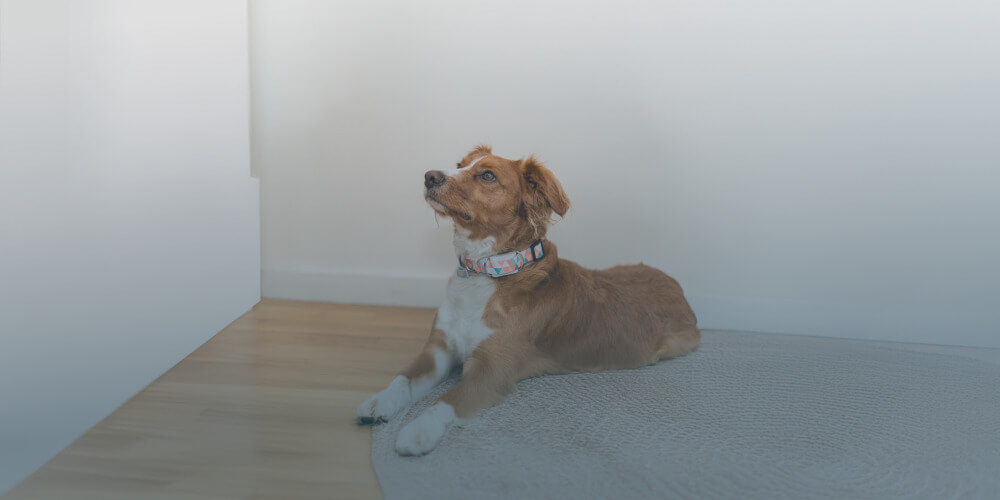
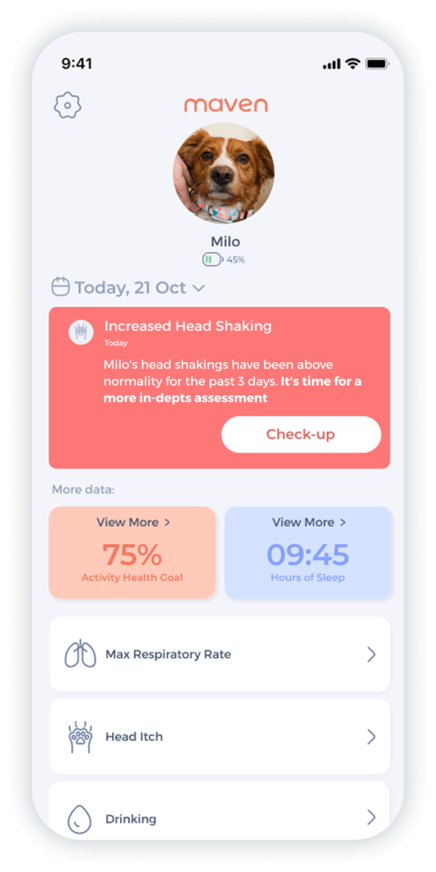
Monitor heart rate, respiratory rate, activity & rest, drinking, itch behavior.
Through the pet health app, owners can view trends and share data with their veterinarian, supporting faster, more informed decisions.
Continuous dog health tracker monitoring adds an extra layer of protection, especially for dogs with chronic allergies or recurring infections.
FAQ (Vet-Reviewed)
Frequent head shaking usually signals ear discomfort. Common causes include allergies, infection, moisture buildup, or mites. Persistent shaking warrants a veterinary exam.
Yes. Allergies are the most common cause of recurring ear inflammation. Dogs with allergies and ear infections often experience repeated flare-ups unless the underlying allergy is managed.
Signs include redness, odor, discharge, pain when touched, and increased head shaking. If discharge or pain is present, consult your veterinarian promptly.
Seek veterinary care if:
-Symptoms last more than 2–3 days
-There is discharge or a strong odor
-Your dog seems in pain
-Head shaking becomes intense or sudden
Early treatment prevents chronic ear disease and complications.
Conclusion: Don’t Ignore the Early Signs
Dog itchy ears may seem minor at first — but they’re often the earliest warning sign of allergies or infection. Addressing irritation quickly can prevent long-term damage and repeated vet visits.
Watch for subtle behavior changes like increased scratching or disrupted rest. Acting early protects your dog’s comfort — and their hearing.
If your dog struggles with recurring ear irritation, combining veterinary guidance with proactive monitoring can make all the difference.
Maven Pet focuses on improving the quality of life of our pets with technology, using artificial intelligence (AI) to enable proactive pet care. By accurately collecting and monitoring pet data 24/7 and flagging any irregularities, Maven Pet empowers pet parents and veterinarians to stay ahead of potential health issues, ensuring the well-being and longevity of our beloved companions.